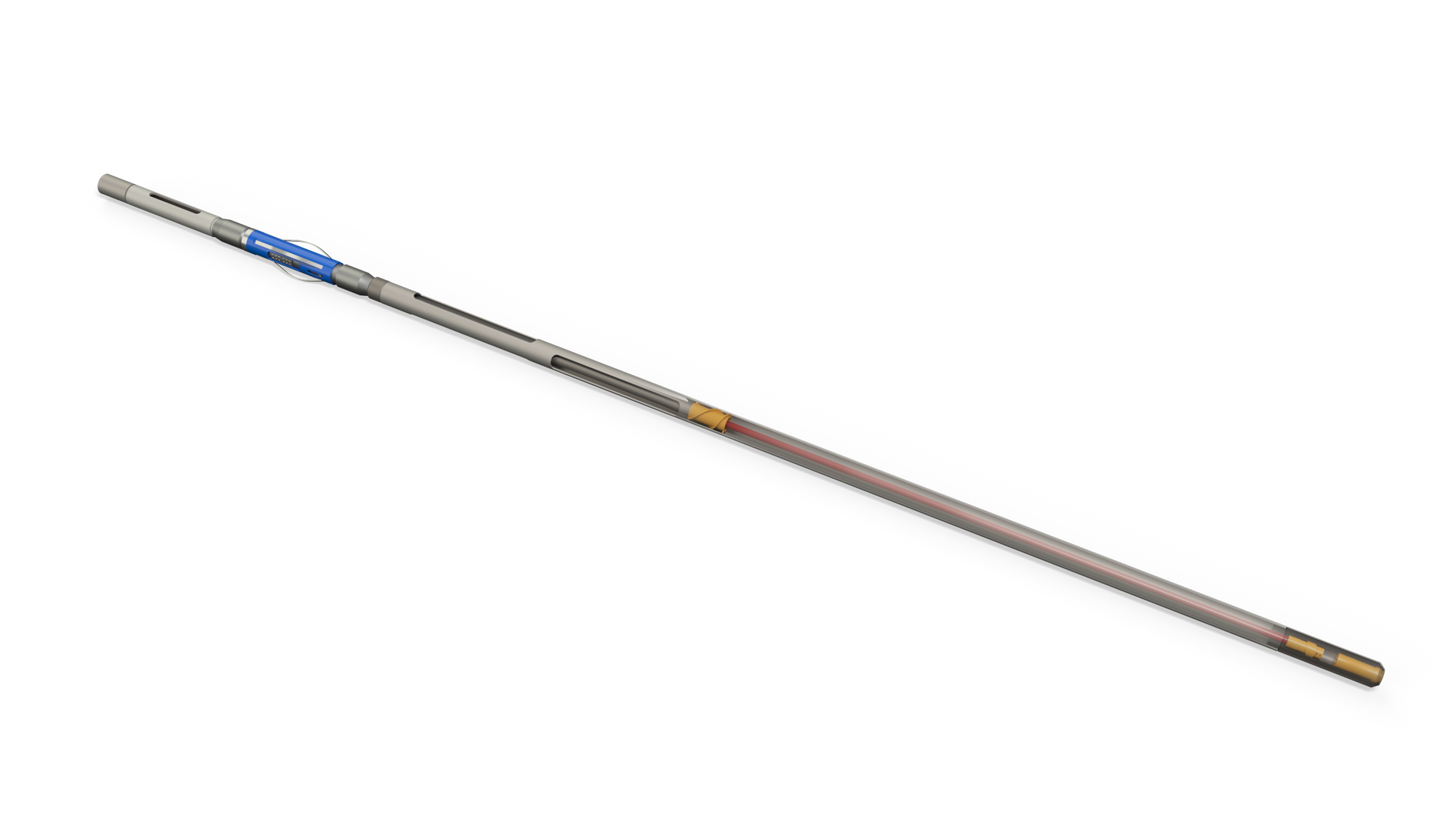
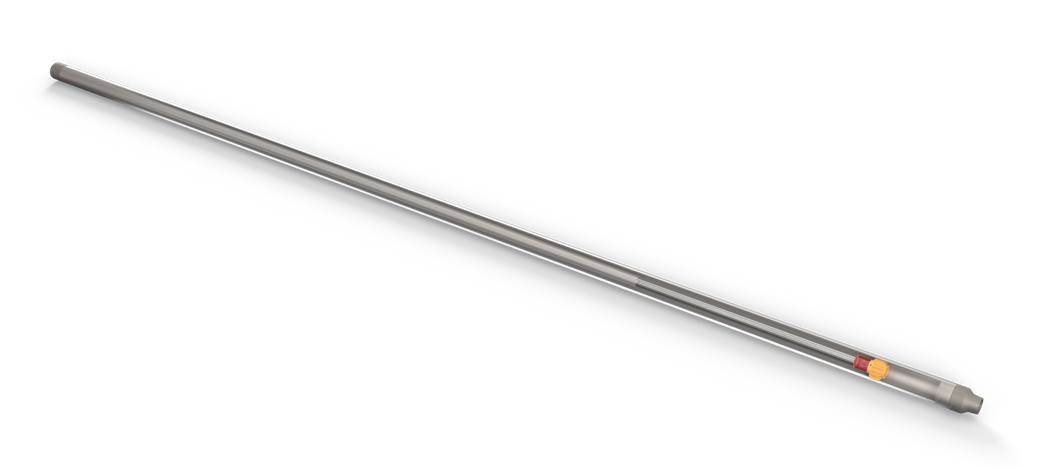
Systems built around the same idea: manage gas, fluid, and solids at the source, so the pump above never has to work around a problem the tool below could have solved.
Hydrocyclonic degasser desanders — one platform, four configurations.
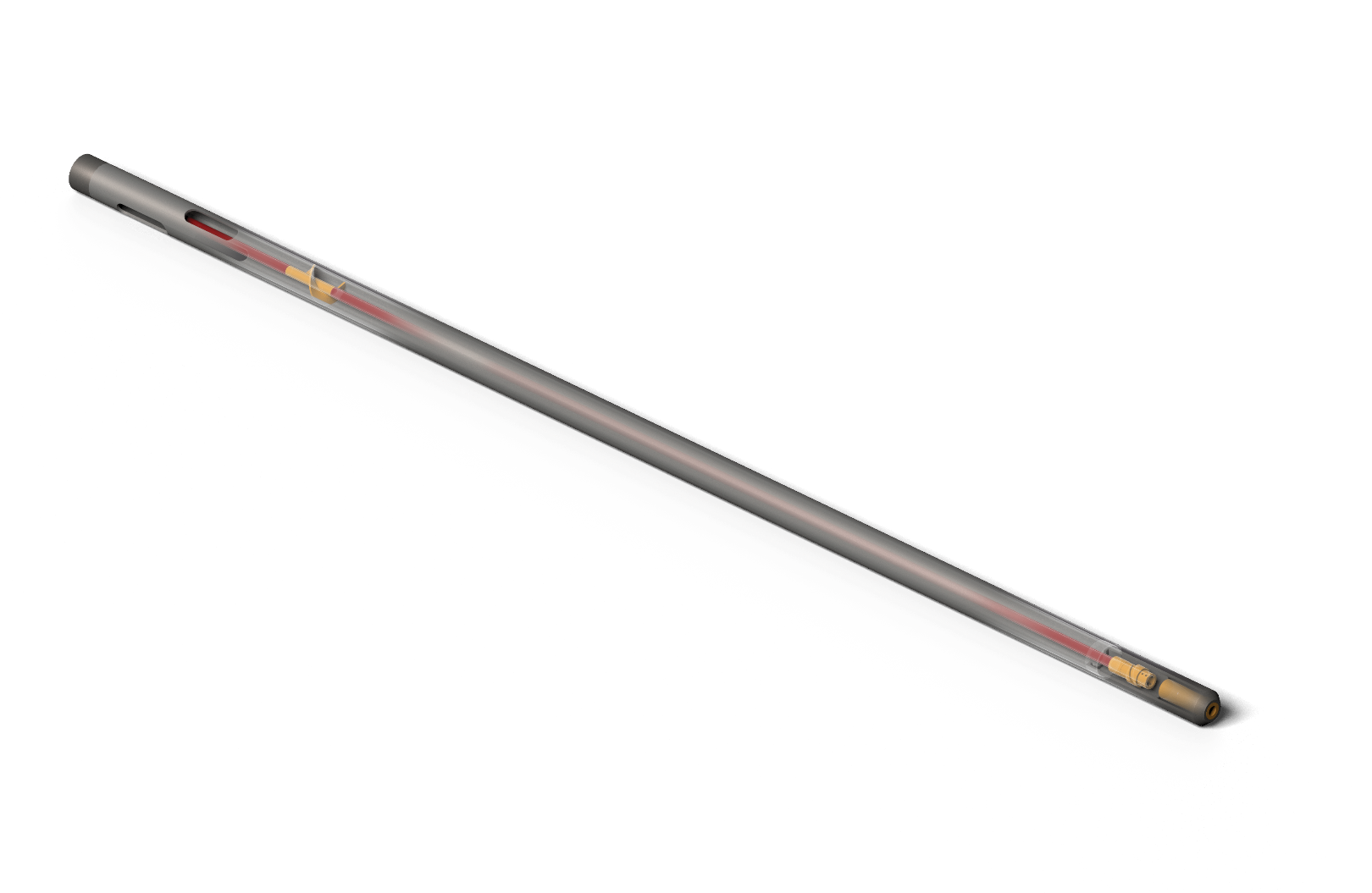
Centrifugal gas break away paired with a hydrocyclonic desander — 8% larger separation capacity, erosion-coated as standard.
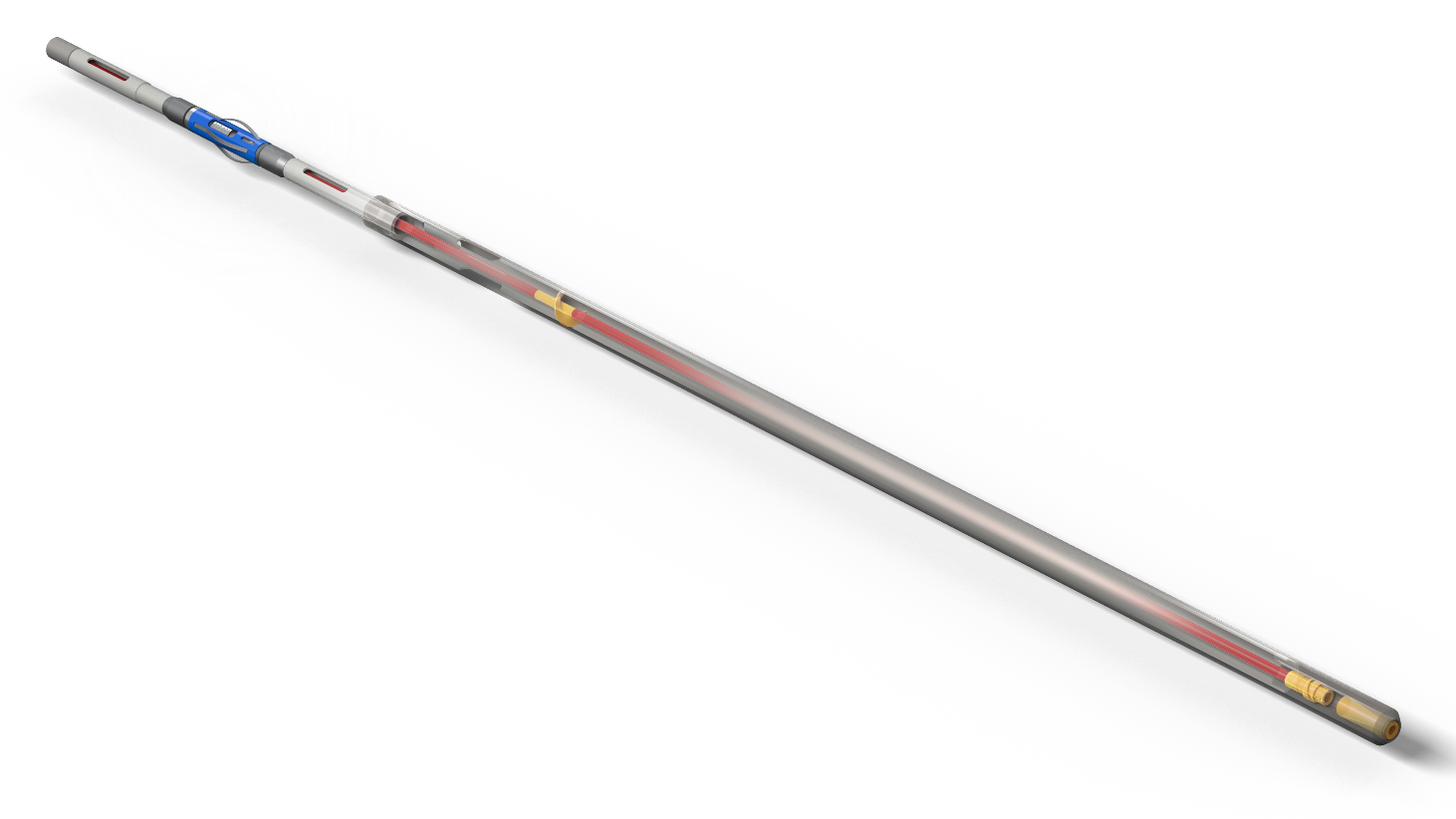
The Fat Man platform with a built-in TAC bypass, so gas moves unrestricted above the tool while fluid keeps full-bore passage.
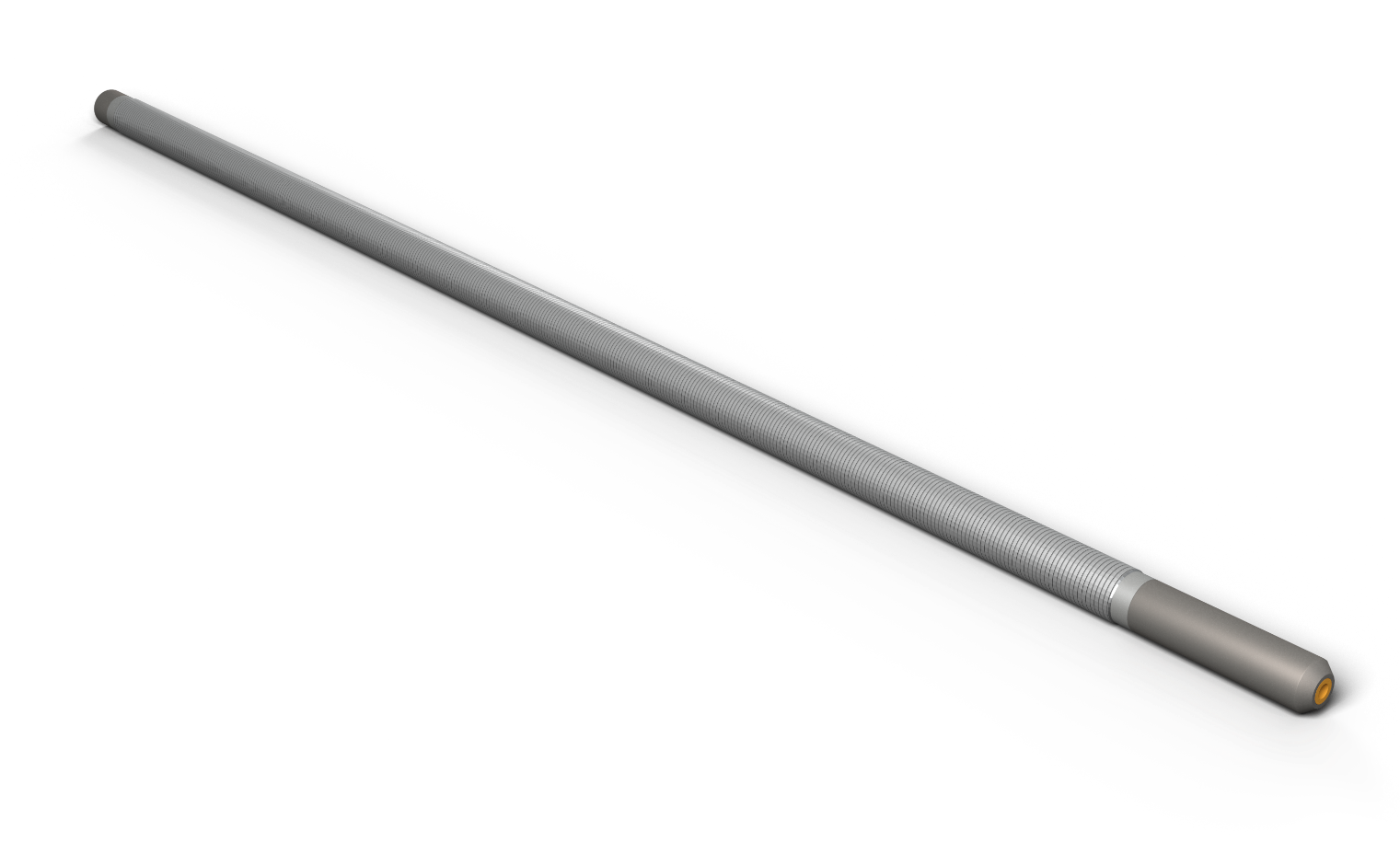
Stainless wire-wrapped screen adds 58% more screen area for continually sandy wellbores, including refractured wells.
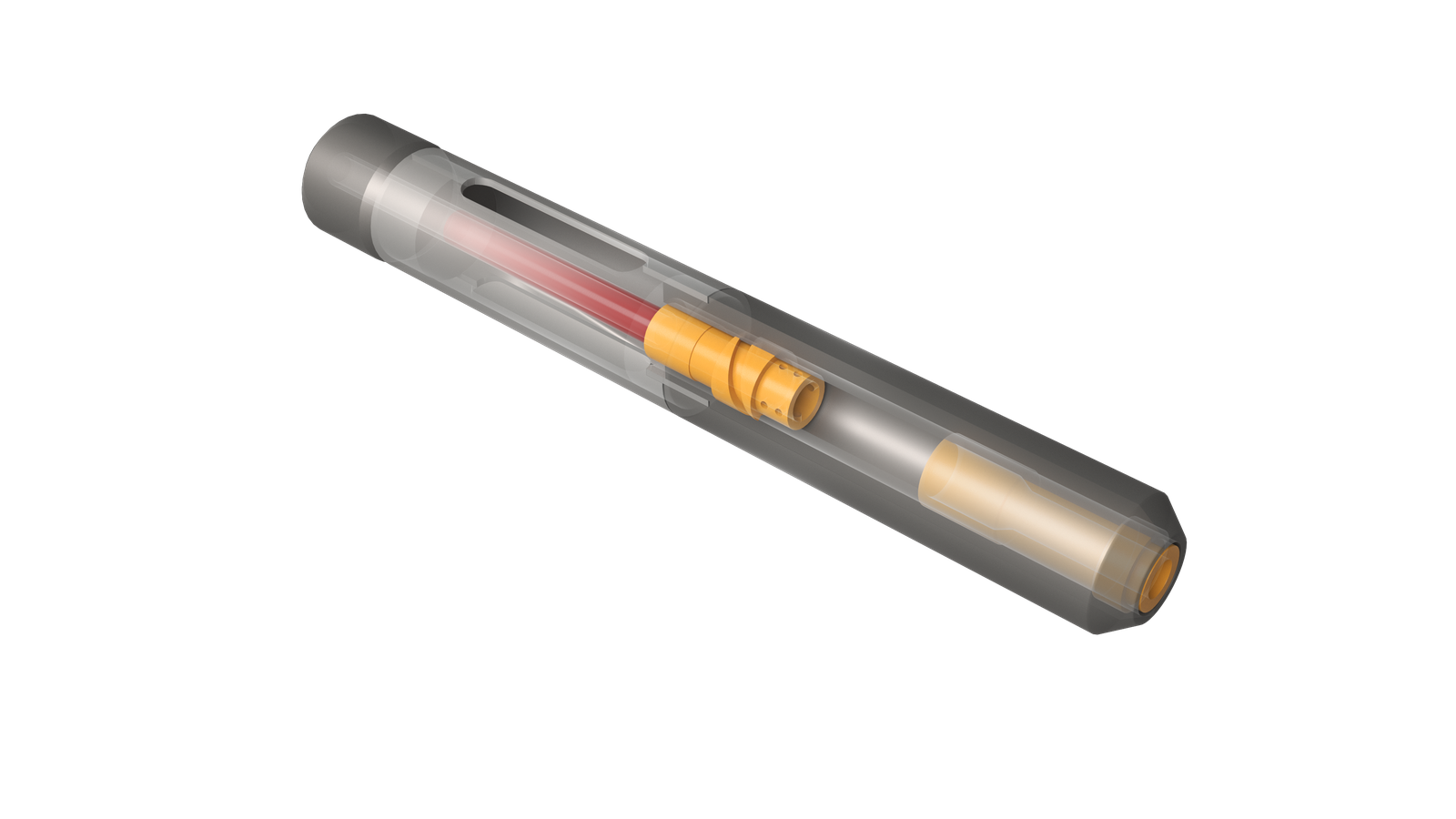
Rate-specific cyclonic spirals sit below the ESP.
Through-bore degasser desander with an integrated TAC bypass.
Single-trip tailpipe systems for horizontal wells.
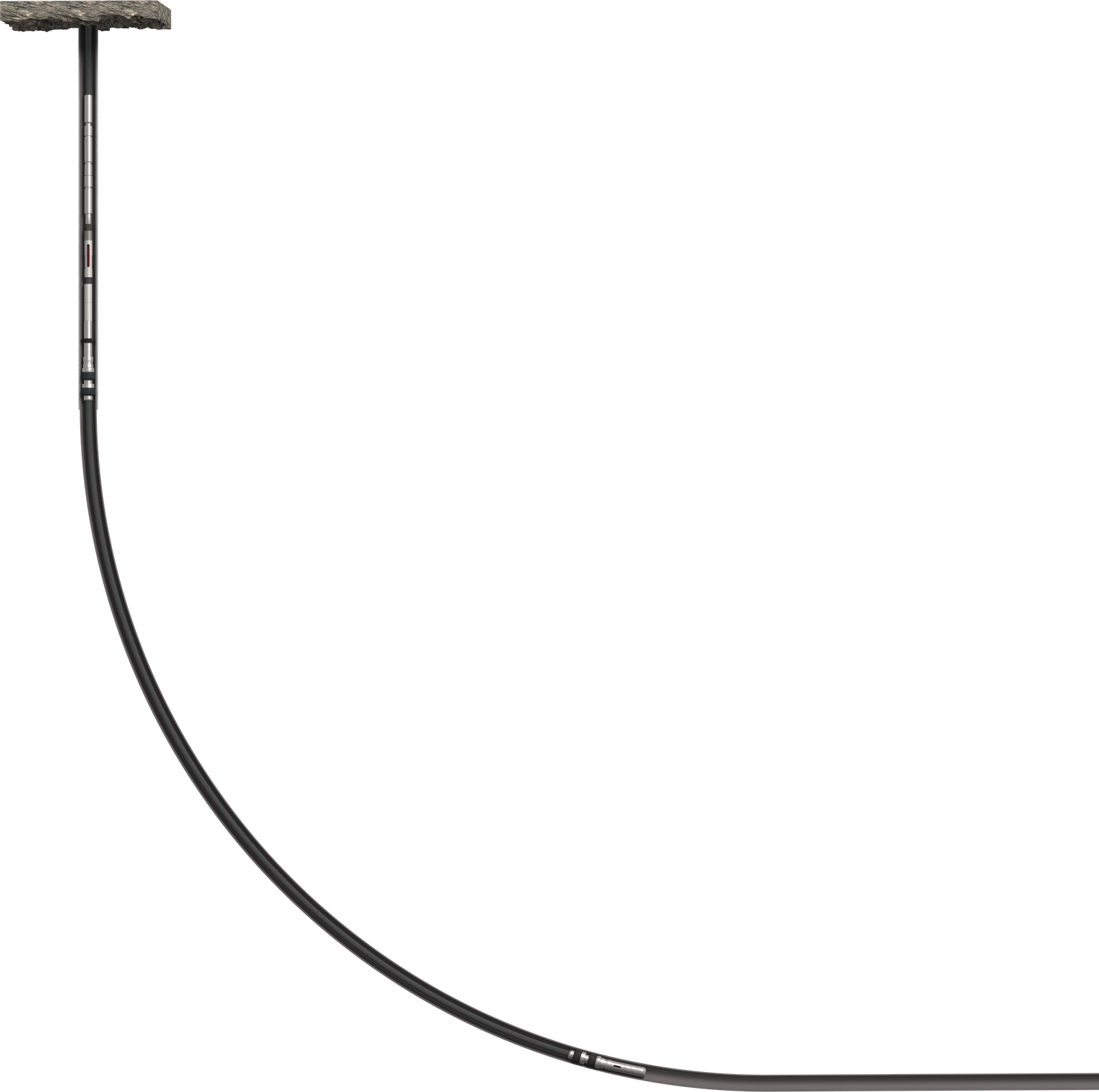
A single-trip tailpipe system that keeps the pump higher while drawing the reservoir down further.
The Gadget platform built for ESP completions, with a safety release mechanism for a clean trip out of hole.
Sand fallback collection for ESP wells.
Purpose-built ESP desanders, related to the Fat Man platform.
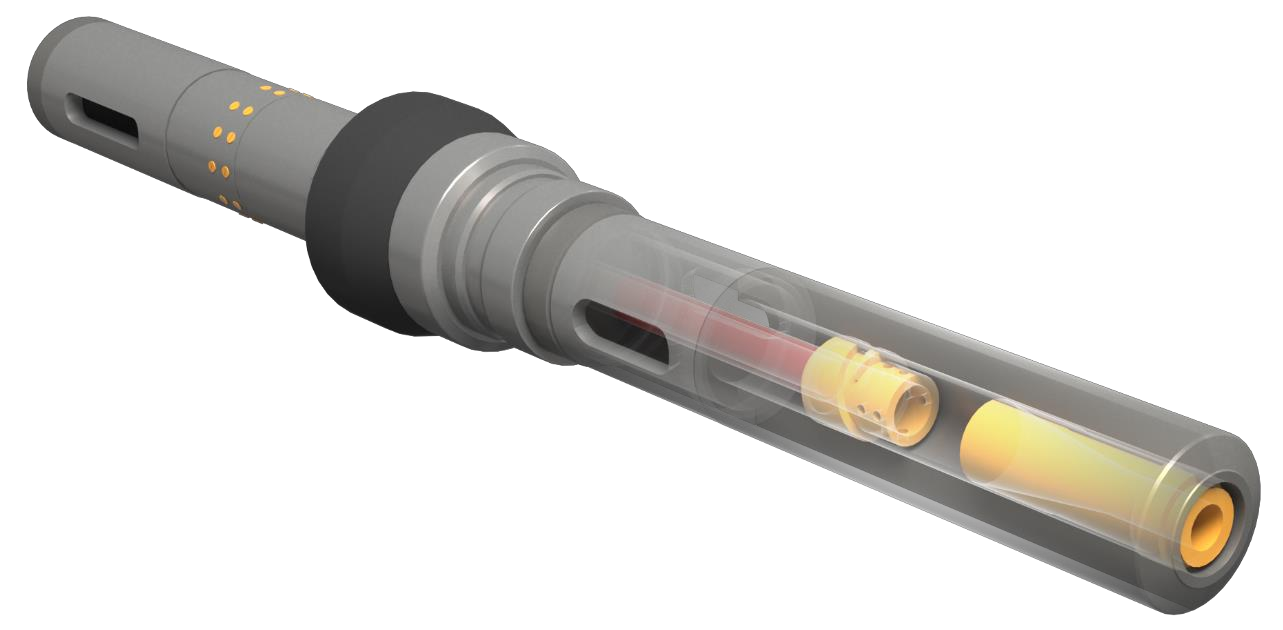
A Fat Man-derived hydrocyclonic desander converted for higher flow rates, with a safety shear sub if the tailpipe sticks.
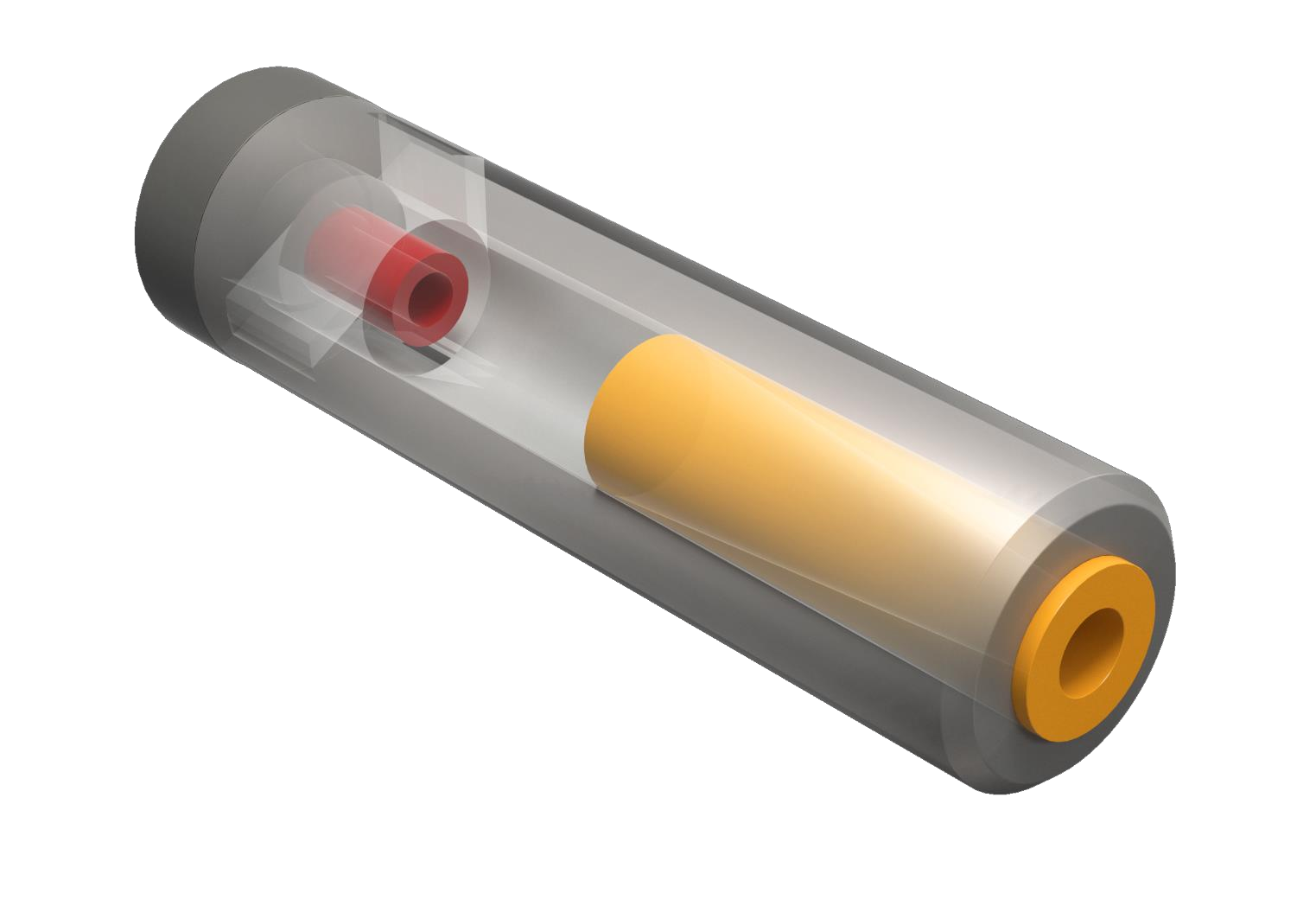
A tangential-inlet desander re-engineered for high-flow-rate wells — installs in the HIMARS assembly or beneath a mechanical set packer.
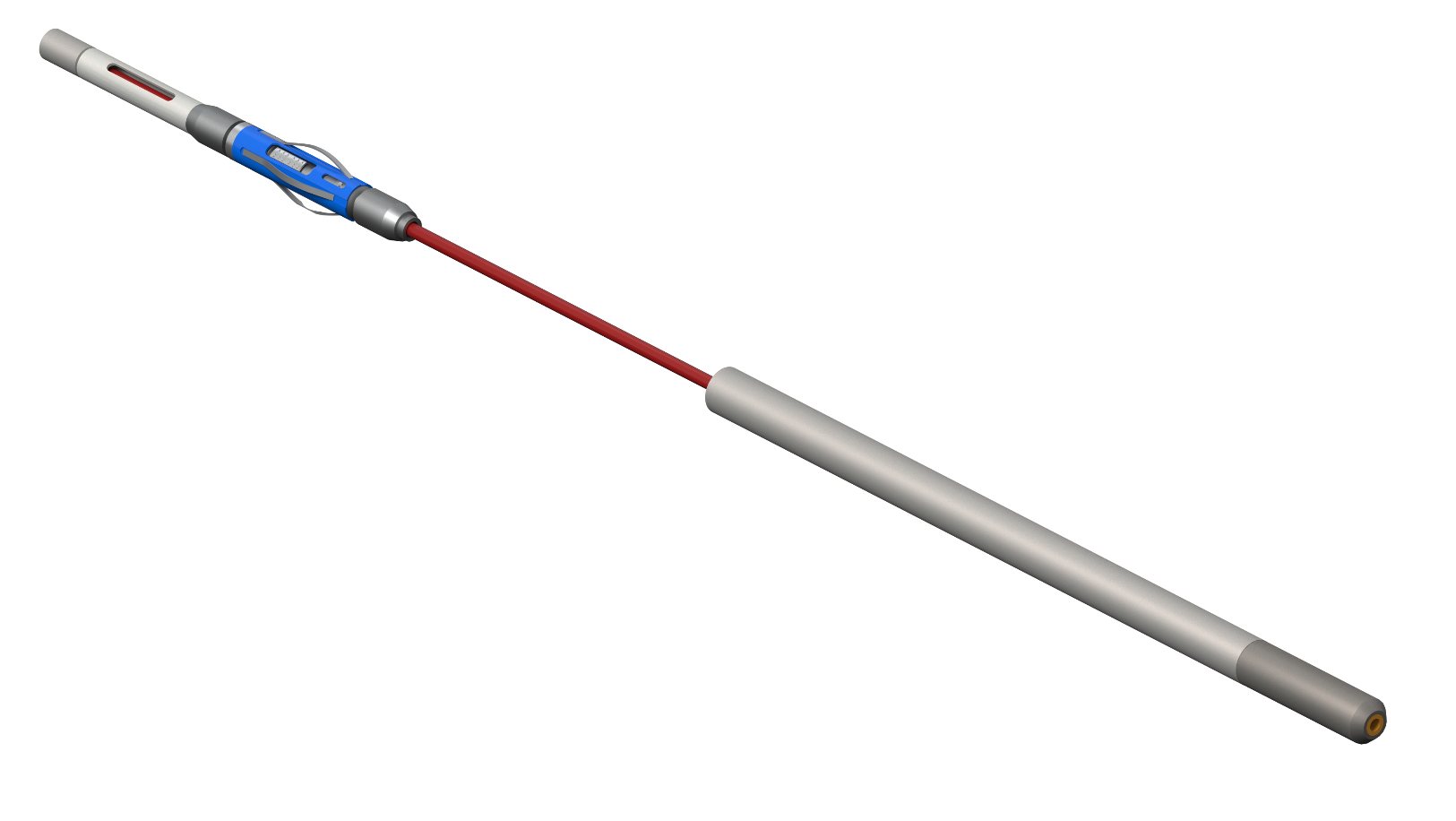
A bucket-style separator with a cyclonic desander — non-welded, built around a stainless dip tube, combining gravity gas separation with an integrated TAC bypass.
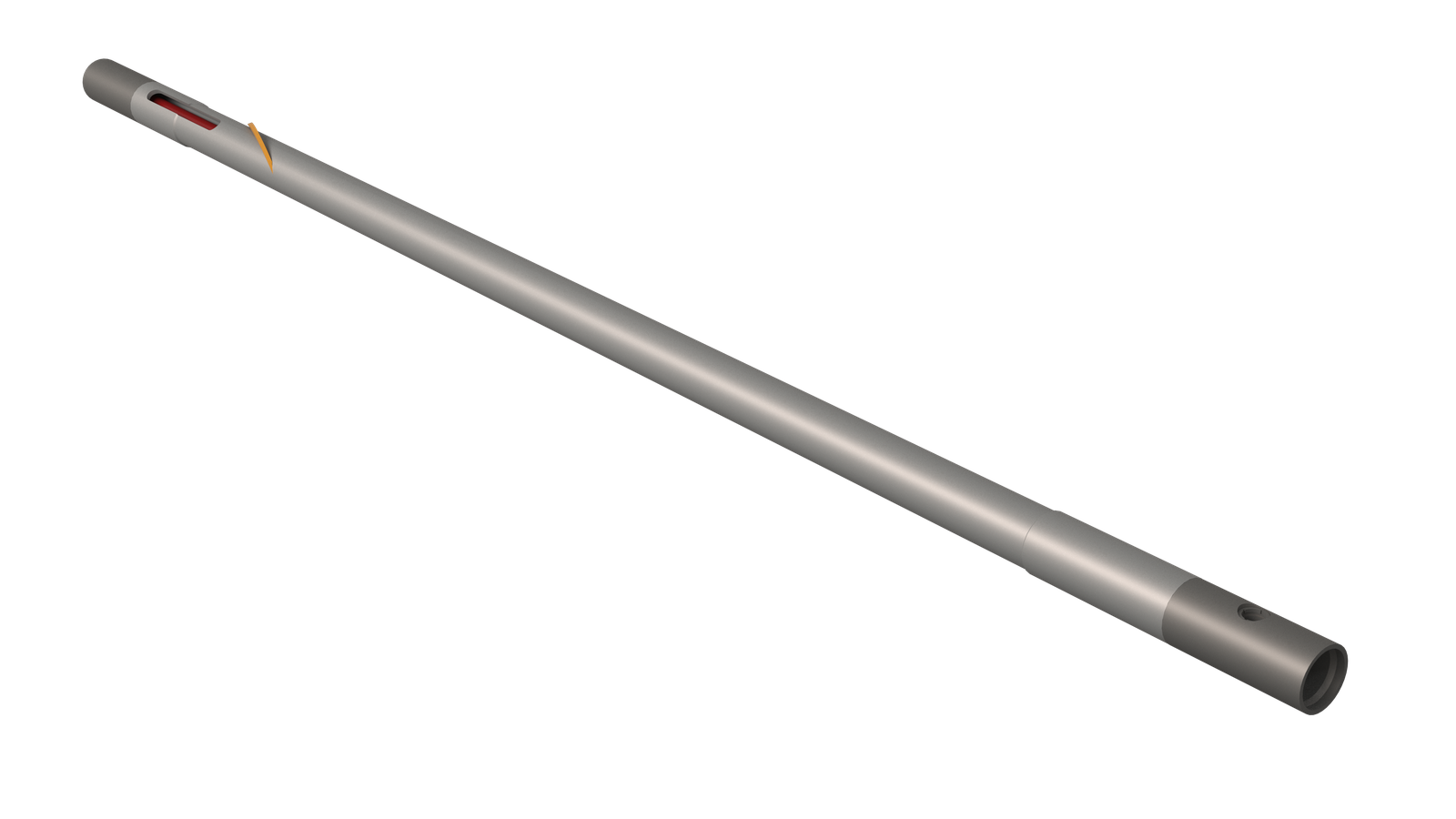
An artificial-sump design with a 270° slotted lower bypass — 2.2x the flow area of a competitor's diptube bypass.
Sand control across the life of the well.
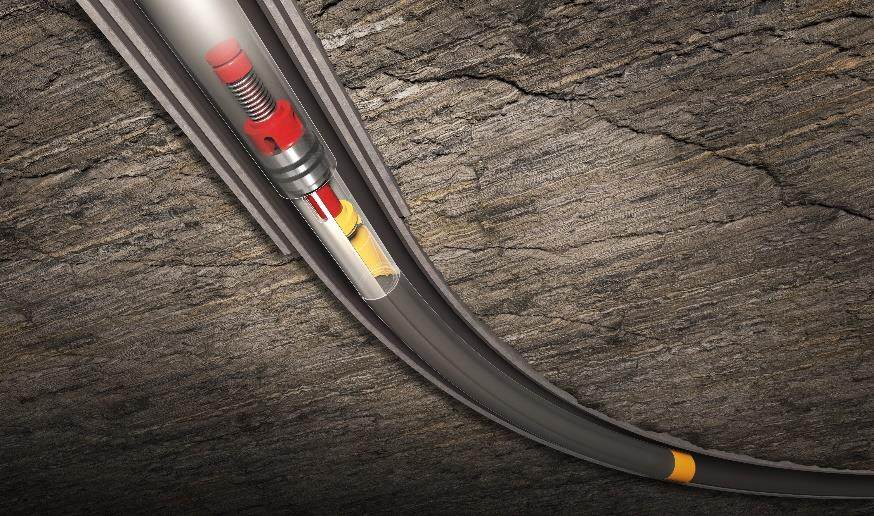
Rig-less, slickline-installed desander that sets in existing profile nipples — not a screen, and removable for cleanout and rerun.
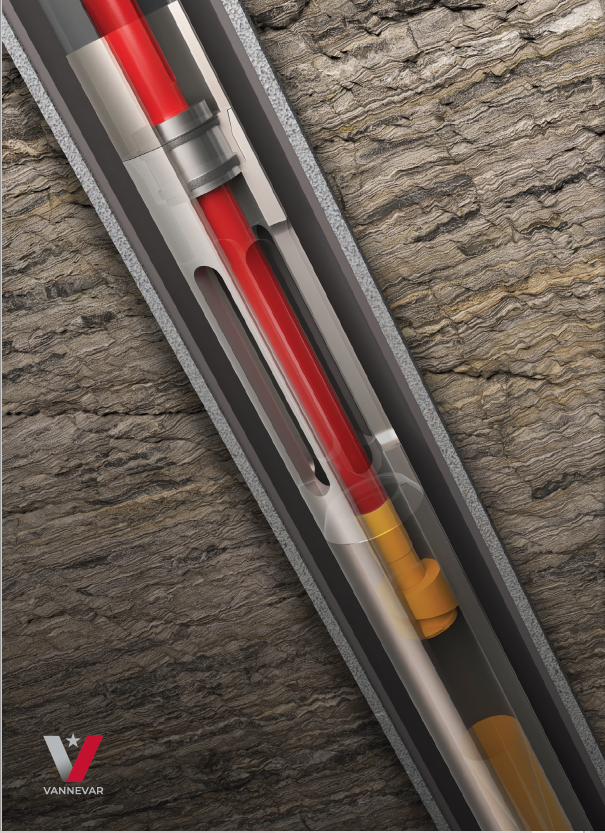
Single-trip system: outer housing runs on initial tube-up, desander core installs later on slickline as the well ages.
Purpose-built additions for sucker rod / beam pump wells.
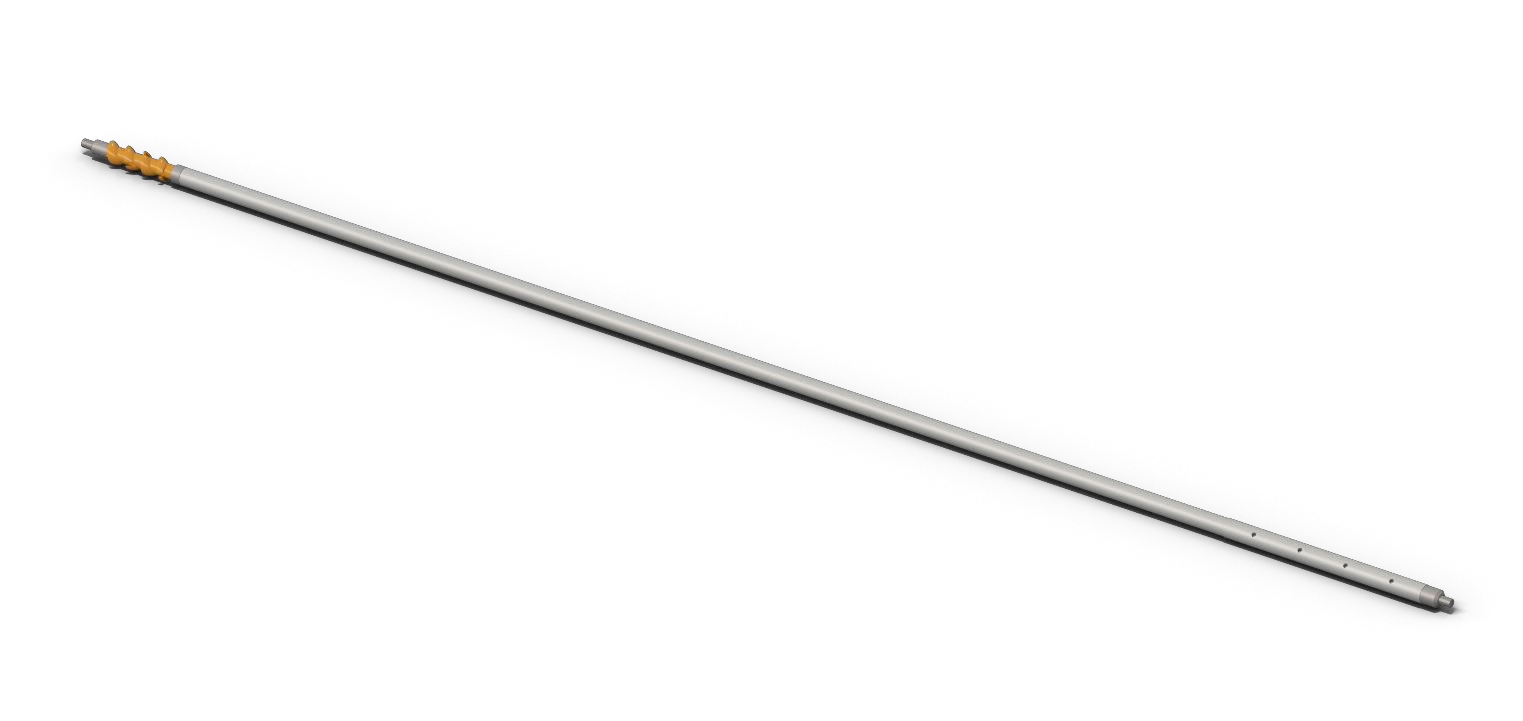
A patented hollow rod that catches solids fallback while the pump is idle, then releases them back to surface on restart.
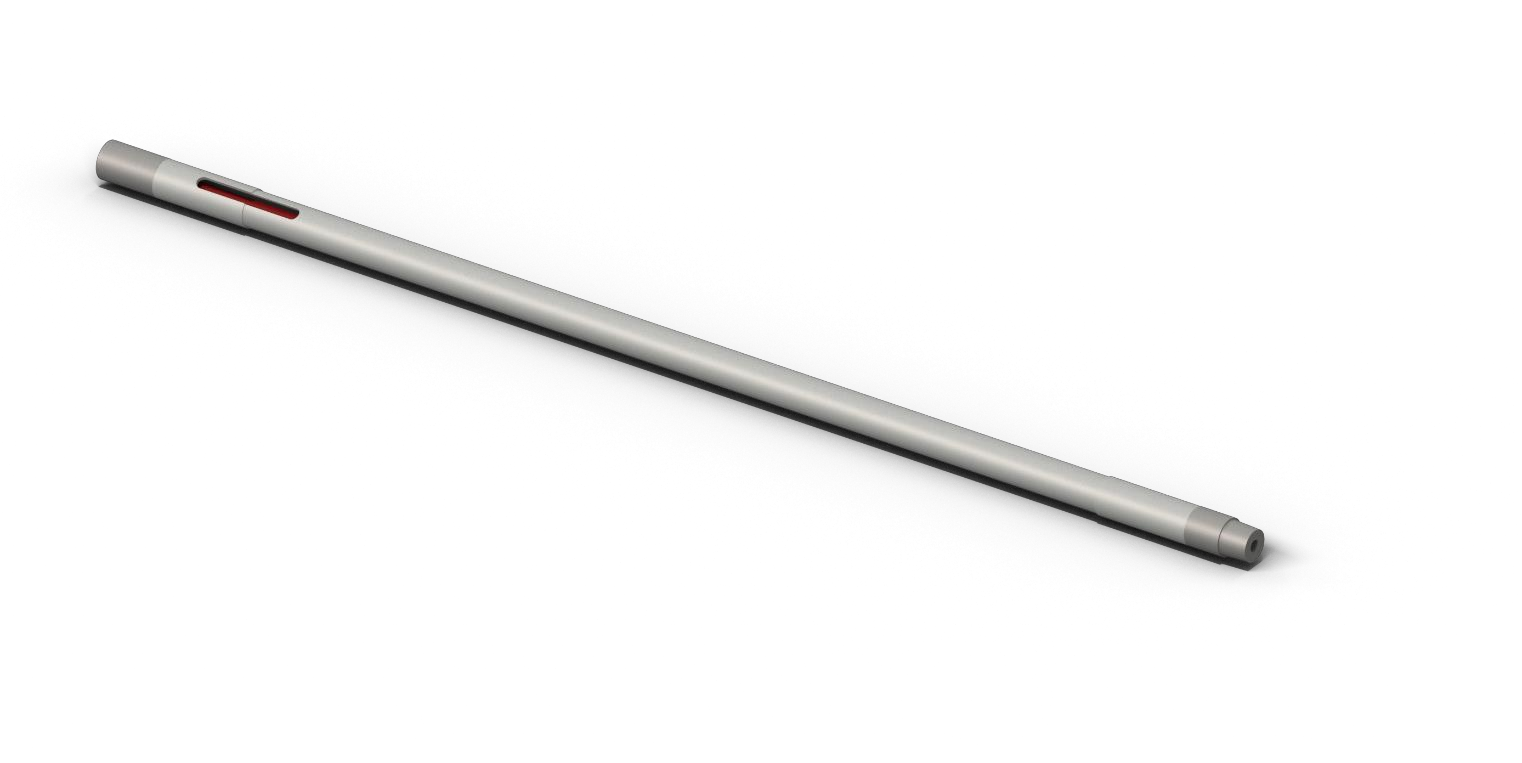
Stacks onto any conventional gas separator, slowing fluid drawdown so hard-to-break gases get more time to escape.
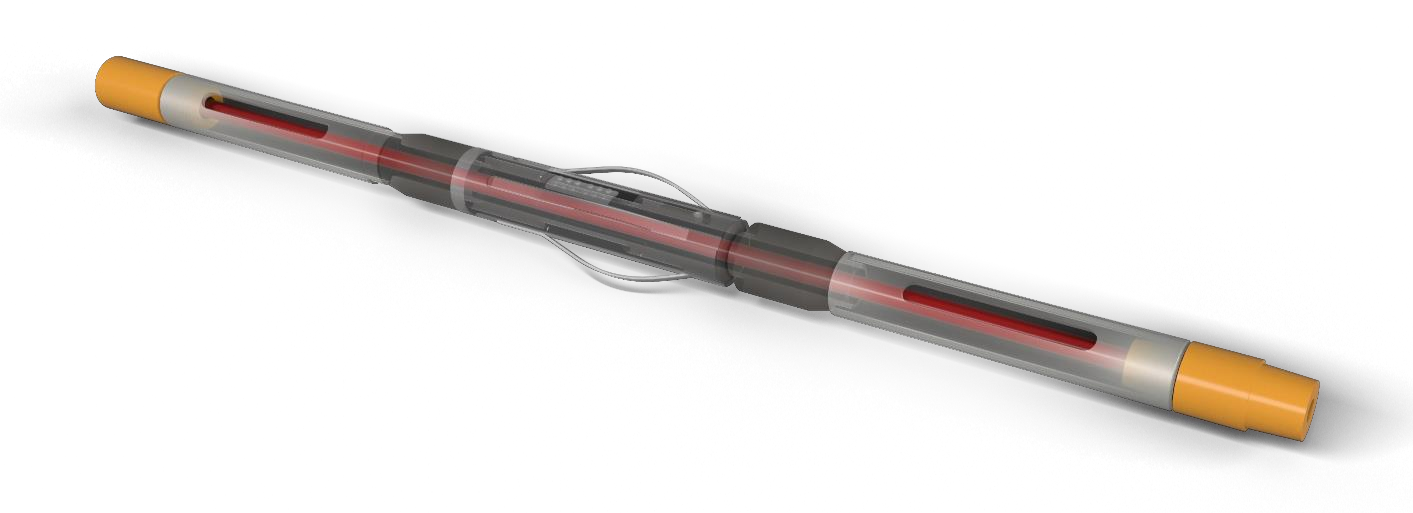
Set above the gas separator, below the seat nipple — routes gas around the TAC without adding backpressure to the fluid.